

In the digital age, where online shopping has become the norm, the design and functionality of your e-commerce website can make or break your business. Customers want to find what they need quickly and without hassle. An easy-to-navigate website ensures that your visitors can seamlessly browse through your products, leading to higher conversions and better customer satisfaction. In this blog, we will discuss why it is crucial to design your e-commerce website with user-friendly navigation in mind and how it can impact your business’s success.
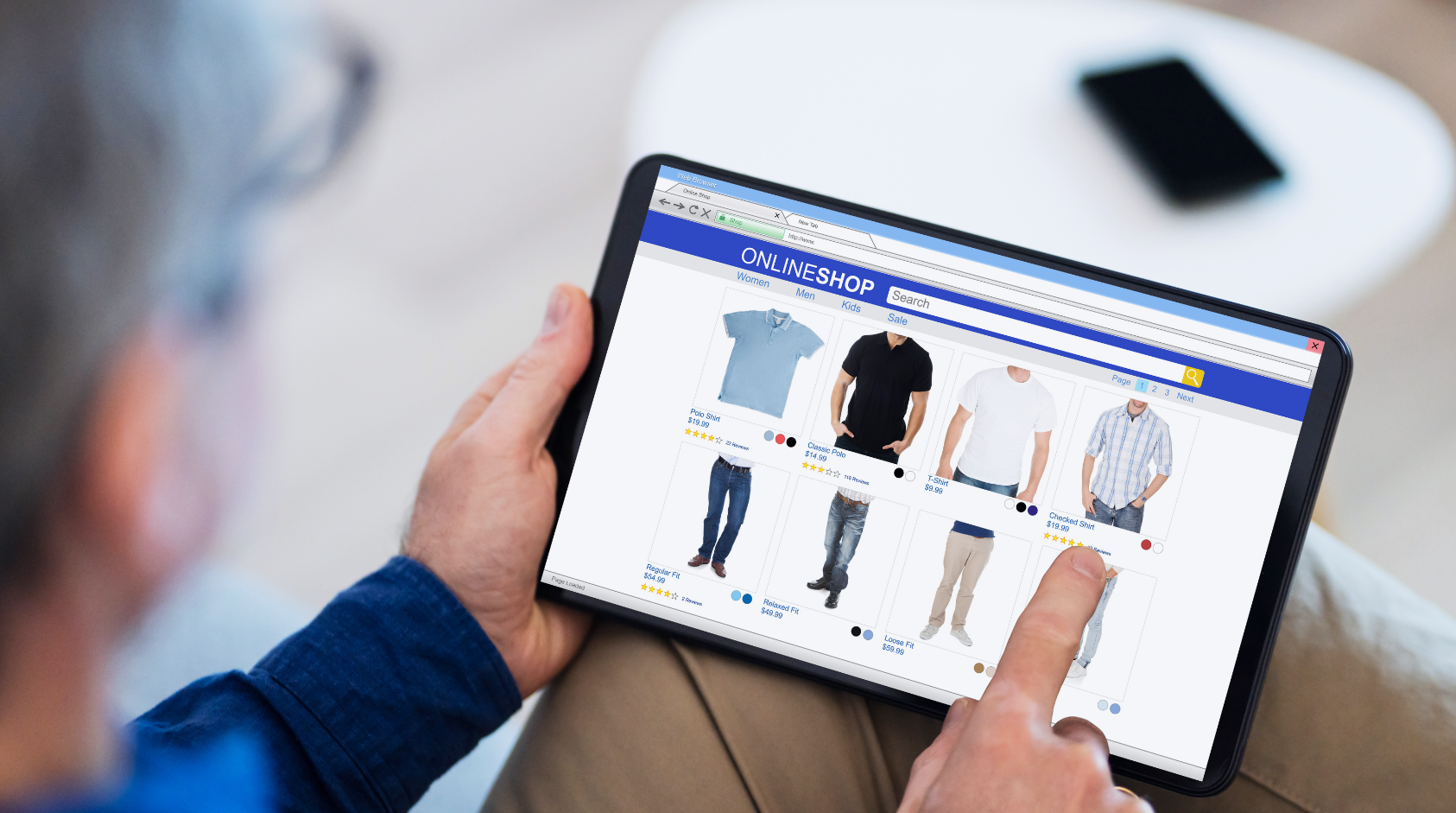
1. Improves User Experience (UX)
A well-organized e-commerce website makes it easy for customers to locate products, discover new items, and make purchasing decisions. Intuitive navigation minimizes frustration, allowing users to effortlessly find what they are looking for, whether it’s a specific product, category, or piece of information. A positive user experience is essential in building trust and loyalty, leading to repeat customers and word-of-mouth referrals.
Tip: Use clear labels for menus and categories, and organize products in a logical manner that aligns with how customers shop.
2. Reduces Bounce Rates
When a customer lands on your website and can’t find what they’re looking for within a few seconds, there’s a high chance they will leave and look elsewhere. High bounce rates can negatively affect your search engine rankings, making it harder for your website to attract organic traffic. An easy-to-navigate website helps keep customers engaged, reducing bounce rates and improving the chances of converting visitors into buyers.
Tip: Implement a search bar that is easy to find and capable of handling misspellings or alternative terms, ensuring customers can quickly locate products.
3. Enhances Product Discovery
A well-structured website allows for effortless product discovery. Sometimes, customers may not know exactly what they want; they are simply browsing. Effective navigation encourages exploration, helping customers discover products they may not have known they wanted. This can lead to higher average order values (AOV) and more sales for your business.
Tip: Consider implementing features like “related products,” “customers also bought,” and “recently viewed” sections to encourage browsing and impulse purchases.
4. Boosts Conversion Rates
Your e-commerce website’s ultimate goal is to convert visitors into paying customers. Easy navigation plays a critical role in this process by providing a seamless shopping experience. When customers can quickly find the products they need, they are more likely to complete the checkout process. On the other hand, confusing or cluttered navigation can lead to cart abandonment, costing you potential sales.
Tip: Streamline the checkout process to make it as simple and straightforward as possible. Ensure that users can navigate from product discovery to checkout with minimal clicks.
5. Increases Customer Retention
Customer retention is just as important as acquisition. If customers have a positive experience navigating your website, they are more likely to return for future purchases. Building a user-friendly e-commerce platform can significantly improve customer loyalty, as it shows that your brand prioritizes the customer experience.
Tip: Use data from user behavior to identify areas where customers may encounter navigation issues and continuously optimize your site to enhance usability.
6. Improves SEO
Search engines favor websites that offer a positive user experience. An easy-to-navigate website can help improve your search engine rankings by ensuring that users spend more time on your site and visit multiple pages. Additionally, clear and consistent navigation makes it easier for search engines to crawl and index your website, leading to better visibility in search results.
Tip: Use keyword-rich categories and subcategories, and create an intuitive sitemap to help search engines understand the structure of your website.
7. Strengthens Brand Perception
The way your e-commerce website is designed says a lot about your brand. A clean, organized, and easy-to-navigate website communicates professionalism, reliability, and attention to detail. On the other hand, a poorly designed site can make your business appear untrustworthy or unprofessional, driving potential customers away.
Tip: Maintain a consistent design across your website, including fonts, colors, and branding elements, to create a cohesive and professional image.
Conclusion
Designing an easy-to-navigate e-commerce website is not just about aesthetics; it’s about creating an environment where customers can seamlessly find and purchase products. By focusing on user experience, reducing bounce rates, enhancing product discovery, and improving SEO, you can ensure that your e-commerce store not only attracts visitors but also converts them into loyal customers. Remember, in a highly competitive online marketplace, a well-designed website can give you the edge you need to stand out and succeed.
Take the time to assess your current website navigation. Are there areas where customers might be getting stuck? Could the path to purchase be made simpler? Addressing these questions can help you create an e-commerce experience that keeps customers coming back for more.